Slow Cooker Guinness Corned Beef

Slow Cooker Guinness Corned Beef
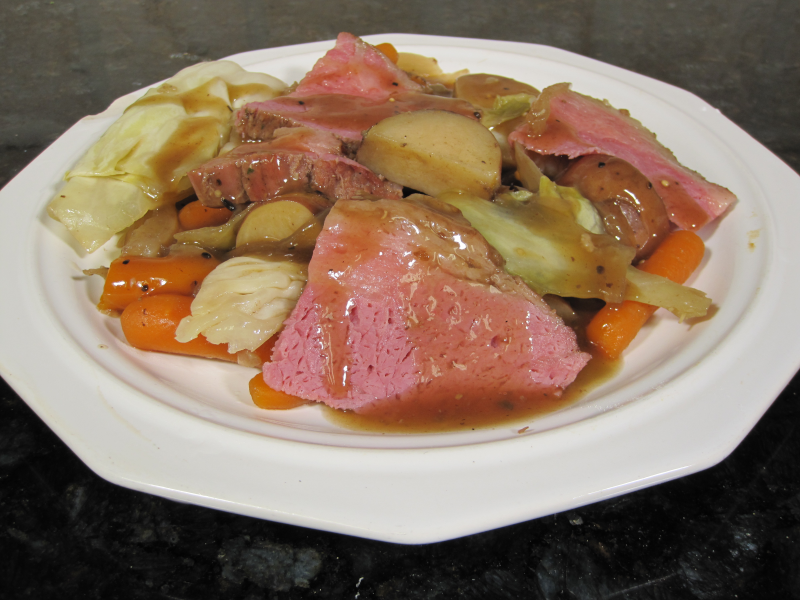
This slow cooker corned beef is built for steady, controlled cooking that produces tender brisket and properly timed vegetables. The beef is seared first for deeper flavor, then cooked low and slow in beef broth and Guinness stout. Potatoes and carrots cook alongside the meat, while cabbage is added later to prevent overcooking. The braising liquid is finished on the stovetop for a rich, thickened gravy.

Ingredients

  • 3 – 4 lb corned beef brisket (with seasoning packet)
  • 1 tablespoon oil (for searing)
  • 1 (14.5 oz) can beef broth
  • 1/2 bottle Guinness stout
  • 1 tablespoon Worcestershire sauce
  • 1 large yellow onion, sliced
  • 1 1/2 – 2 lbs red potatoes, halved
  • 12 oz baby carrots
  • 1/2 head cabbage, cut into wedges
  • 1 tablespoon cornstarch + 1 tablespoon cold water (for slurry)

Print This Recipe Print This Recipe

Directions


Remove corned beef from packaging, rinse under cold water, and pat completely dry with paper towels.


(Optional moisture control method) Place the brisket fat-side up on a wire rack over a baking sheet and refrigerate uncovered for 90 minutes to air-dry before searing.


Heat a cast iron skillet over medium-high heat for 3–5 minutes. Add 1 tablespoon oil. Sear the brisket fat-side down first for 2–3 minutes per side until a deep brown crust forms. Set the beef aside.


Turn off the burner and add sliced onion to the skillet. Pour in 1/2 cup of beef broth and scrape up browned bits from the pan. Transfer onions and liquid to the slow cooker.


Add corned beef, than place potatoes and carrots around the brisket.


Pour remaining beef broth, Guinness stout, Worcestershire sauce, and seasoning packet over the brisket. Liquid should come partway up the sides of the meat without fully submerging it.


Cover and cook on LOW for 5 hours.


After 5 hours, add cabbage wedges on top. Cover and continue cooking on LOW for 3 more hours (total 8 hours).


Remove brisket and rest for 10 minutes before slicing against the grain.


Remove vegetables and transfer cooking liquid to a saucepan. Bring to a gentle simmer over medium heat.


Whisk together cornstarch and cold water to form a slurry. Stir into simmering liquid and cook until thickened. If needed, allow liquid to reach a gentle simmer to fully activate the cornstarch.


Serve sliced corned beef with vegetables and spoon thickened Guinness gravy over the top.

Print This Recipe Print This Recipe

Watch How To Make This Recipe
https://youtu.be/QVtwQoGgX20


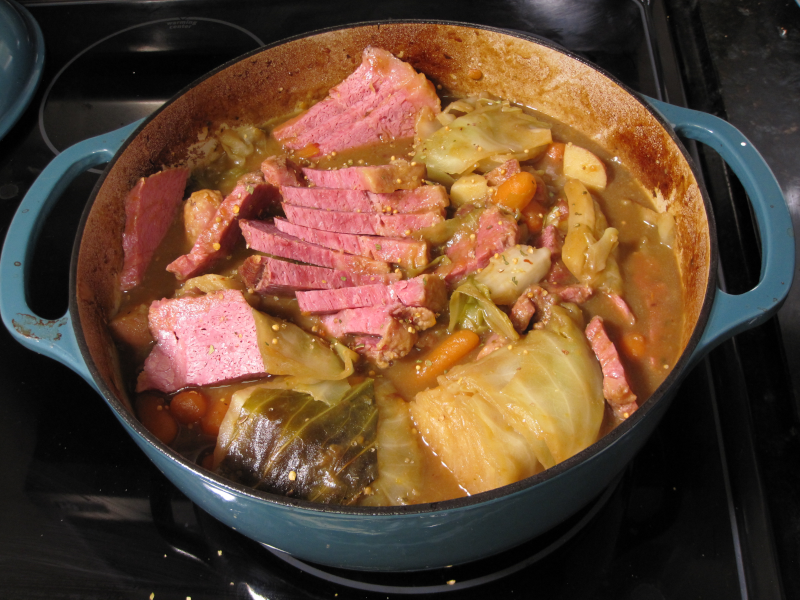
Dutch Oven Guinness Corned Beef

Dutch Oven Guinness Corned Beef

This Dutch oven corned beef is cooked with low, steady heat that allows the brisket to become tender without drying out, and vegetables added at the proper time so they stay intact and flavorful. Guinness stout and beef broth create a rich braising liquid, while onions elevate the brisket and prevent scorching. The result is fork-tender corned beef with perfectly cooked potatoes, carrots, and cabbage finished with a delicious gravy.

Ingredients

  • 3 – 4 lb corned beef brisket (with seasoning packet)
  • 1 tablespoon oil (for searing)
  • 2 (14.5 oz) cans beef broth
  • 1/2 bottle Guinness stout
  • 1 tablespoon Worcestershire sauce
  • 1 teaspoon Dijon mustard (optional)
  • 1 large yellow onion, cut into wedges
  • 1 1/2 – 2 lbs red potatoes, halved
  • 12 oz baby carrots
  • 1/2 head cabbage, cut into wedges
  • 1 – 2 tablespoons cornstarch + cold water (for slurry)

Print This Recipe Print This Recipe

Directions


Preheat oven to 325°F.


Remove the corned beef from packaging, rinse thoroughly, and pat completely dry with paper towels.


Heat 1 tablespoon oil in a Dutch oven over medium-high heat. Sear the brisket for 3–4 minutes per side until a deep brown crust forms. Remove and set aside.


Turn the burner off and carefully add 1 can of beef broth to the Dutch oven to deglaze the pan. Using a wooden spoon, scrape up all the browned bits (fond) from the bottom — this is concentrated flavor. Stir in the Worcestershire sauce and Dijon mustard, allowing everything to simmer briefly and combine before proceeding.


Arrange onion wedges on the bottom of the Dutch oven. Place the brisket fat-side up on top of the onions.


Sprinkle half of the seasoning packet over the brisket. Add second can of beef broth and Guinness. The liquid should come 1/4 to 1/2 way up the sides of the meat — not fully submerge it.


Cover with lid and bake at 325°F for 2 hours, then add add potatoes and carrots to the Dutch oven. Cover and cook for 45–60 minutes, until fork-tender.


Reduce the temperature to 300°F, cover with lid and bake for one hour.


Remove the brisket, tent loosely with foil, and cover with a towel to rest.


Increase oven temperature to 350°F.


Add cabbage wedges on top. Return to oven uncovered for 30–40 minutes, until cabbage is tender but still structured. Cover for the final 10–15 minutes if needed.


Place Dutch oven on stovetop over medium heat.


Stir together 1 tablespoons cornstarch with cold water to form a slurry. Add to the braising liquid and simmer until thickened.


For a smoother sauce, use an immersion blender to partially blend the onions and liquid before adding the slurry.


Slice the brisket against the grain. Serve over vegetables and spoon thickened Guinness sauce over the top.

Print This Recipe Print This Recipe

Watch How To Make This Recipe


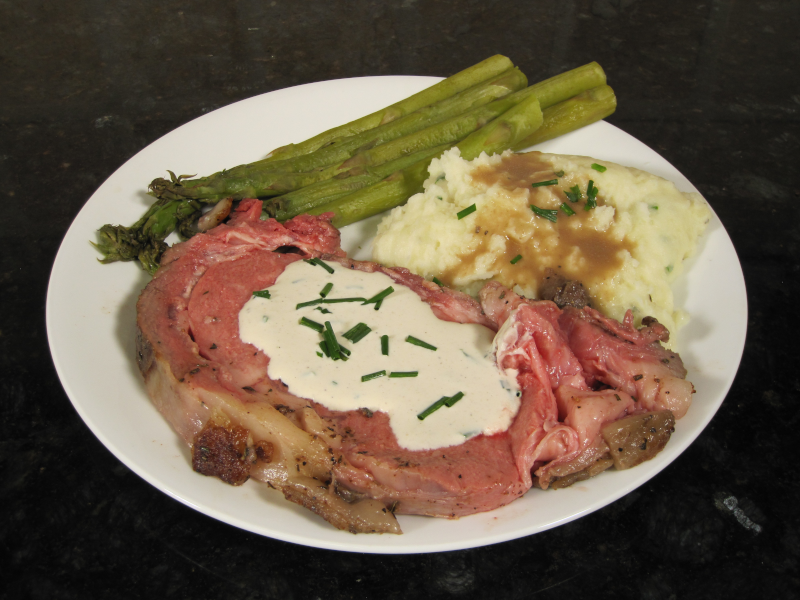
Sous Vide Rib Roast

Sous Vide Boneless Rib Roast

This two-day sous vide method delivers a perfectly edge-to-edge cooked prime rib with a crisp, browned exterior — all with zero guesswork. The roast cooks low and slow in a precisely controlled water bath on Day 1, then chills overnight. On Day 2, a high-heat oven sear creates that deep brown crust without overcooking the center.

It’s ideal for holiday meals, weekend gatherings, or anytime you want prime rib perfection without the stress of traditional roasting. The seasoning is simple, the workflow is forgiving, and the results stay incredibly consistent. Once sliced, the roast reveals its rosy interior from edge to edge with tender texture throughout.

If you want a perfectly timed, make-ahead rib roast that always hits rare to medium-rare without babysitting the oven, this is the method.

Ingredients

  • 1 boneless prime rib roast (approx. 5 lb 11 oz)
  • 2–3 tbsp kosher salt
  • 1–2 tbsp 16-mesh black pepper
  • 1 tbsp garlic powder
  • 1 tbsp onion powder
  • 1–2 tsp optional dry seasonings (paprika, dried thyme, rosemary)
  • 2–3 sprigs fresh rosemary (for sous vide bag)
  • 4 tbsp unsalted butter, softened
  • 1–2 sprigs fresh rosemary, finely minced (for butter blend)
  • Ice (for ice bath)

Print This Recipe Print This Recipe

Directions


Day 1: Trim the roast by removing any excess hard fat or silverskin, leaving a 1/4–1/2 inch fat cap.


Score the fat cap in a shallow crosshatch pattern if desired, being careful not to cut into the meat.


Mix kosher salt, black pepper, garlic powder, onion powder, and optional seasonings. Pat the roast dry and generously season all sides.


Place the roast into a vacuum bag with the rosemary sprigs and seal tightly.


Set the sous vide cooker to 131°F (55°C). Submerge the roast completely and cook for 8–12 hours.


Prepare a large ice bath (50/50 ice and water). When the sous vide is finished, plunge the sealed roast into the ice bath for 30–60 minutes to chill.


Keep the roast sealed and refrigerate overnight.


Day 2: Remove the roast from the fridge 1.5–2 hours before searing. Open the bag, discard rosemary, save juices for gravy, and pat the roast very dry.


Mix softened butter with minced rosemary. Preheat the oven to 450–500°F (230–260°C).


Spread the butter mixture evenly over the roast, including the fat cap.


Place the roast on a rack over a baking sheet and sear in the oven for 15–25 minutes, rotating if needed, until browned and crisp.


Rest the roast loosely tented with foil for 10–15 minutes.


Slice against the grain and serve immediately.


Gravy: Melt 2–4 tbsp butter in a saucepan. Whisk in equal flour to form a roux and cook 1–5 minutes.


Add strained sous vide bag juices while whisking. Add 1–2 cups beef broth or water and simmer 5–10 minutes until thickened. Season to taste.

Print This Recipe Print This Recipe

Watch How To Make This Recipe


How far ahead can I sous vide a rib roast and refrigerate it?

You can refrigerate the fully sous-vided, ice-shocked roast for up to 3 days. Quality starts slipping after that, so freeze it instead if you need more time.

Can I sous vide the roast and freeze it for later?

Yes. After chilling, keep the roast sealed and freeze for 2–3 months. Thaw overnight or rewarm in a 131°F bath for 1–2 hours before searing.

Will the fat fully render when cooked sous vide?

No. Sous vide can’t reach the temperatures required for full fat rendering. The oven sear helps, but it won’t match a low-and-slow oven roast.

What doneness does 131°F achieve?

131°F produces a rare-to-medium-rare roast with even pink color edge-to-edge. For slightly less red, use 133–134°F.

Can I cook the roast longer than 12 hours?

It’s safe, but not ideal. Past 12 hours the texture softens too much, approaching deli-style softness. 8–12 hours is the sweet spot.

Is it safe to let the roast sit out before searing?

Yes. Letting it sit 1.5–2 hours improves browning. Don’t exceed 2.5 hours at room temperature.

How do I avoid a cold center after the oven sear?

A cold center can happen with sous vide + cold sear. To avoid it, either let it temper a bit longer or warm the roast at 250°F for 15–20 minutes before searing.

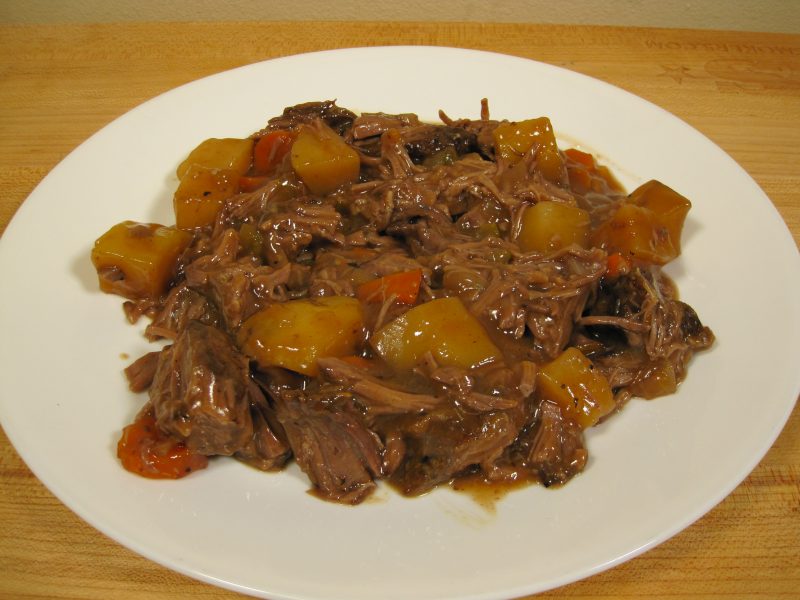
Slow Cooker Mock Tender Roast

Slow Cooker Mock Tender Roast


Mock tender roast may be an overlooked cut, but when treated right, it becomes a wallet-friendly, deeply satisfying centerpiece. This slow cooker version transforms the humble roast into a comforting dish layered with flavor. A quick sear adds depth, while a slow braise surrounded by classic pot roast vegetables brings everything together into a rustic, hearty meal.

The true star here is the low-and-slow method, coaxing tenderness out of a lean cut with every hour. Onions, garlic, carrots, celery, and Yukon gold potatoes soak up the seasoned broth, while a simple cornstarch slurry finishes the dish with a glossy gravy. You’ll get all the classic flavors of pot roast, with less fat than chuck and plenty of flexibility.

Real-world results show that this roast holds up well even when prepped the night before, and while the crockpot won’t get your gravy hot enough to thicken properly, a quick transfer to the stovetop solves the issue fast. Consider this a go-to for Sunday dinners or busy weeknights—one cook and you’ll be hooked.

Ingredients

  • 2.5 pounds mock tender roast
  • 2 tbsp olive oil
  • 1 tsp salt
  • 1/2 tsp black pepper
  • 1 tsp garlic powder
  • 1 tsp onion powder
  • 1/2 tsp smoked paprika
  • 1/2 tsp dried thyme
  • 1 tbsp Worcestershire sauce
  • 2 cups beef broth
  • 1 tbsp tomato paste
  • 1 large onion, sliced
  • 3 cloves garlic, minced
  • 4 large carrots, chopped
  • 4 celery stalks, chopped
  • 1 lb Yukon gold or baby gold potatoes
  • 1 – 2 tbsp cornstarch

Print This Recipe Print This Recipe

Directions


Pat the mock tender roast dry with paper towels. Trim off any silverskin or tough membrane if present. Season all sides with salt, pepper, garlic powder, onion powder, smoked paprika, and thyme.


Heat 2 tablespoons of olive oil in a skillet over medium-high heat. Once hot, sear the roast for 2–3 minutes per side until a rich brown crust forms. Transfer the seared roast to a tray or plate.


Optional: Overnight Prep with Food Safety Guidance
If you’re cooking the next day, let the seared roast cool for no more than 30 minutes at room temperature, uncovered or loosely tented with foil. Once no longer steaming, place the roast in the refrigerator on a shallow tray to cool completely. This helps it pass safely through the “danger zone” (40°F to 140°F) within USDA guidelines.

Allow the seared roast to cool in the refrigerator for at least 1 hour. Once cooled below 40°F, you can place it into the slow cooker insert with raw or sautéed vegetables and refrigerate the whole insert overnight. Make sure everything is fully chilled before storage. This saves time in the morning and remains safe if cooled properly.


In the same skillet, lower heat to medium and sauté sliced onions for about 3 minutes. Add the minced garlic and cook for 30–60 seconds until fragrant. If needed, deglaze the pan with a splash of beef broth to release browned bits. Once softened and golden, remove the aromatics from heat.


In the slow cooker insert, layer the chopped carrots and celery on the bottom. Place the seared roast on top, then add the sautéed onions and garlic over the meat.
If you’re prepping this the night before, wait to add the potatoes until the next morning—cubed raw potatoes can oxidize overnight, turning brown and looking unappetizing. For best results, chop and add the potatoes just before you start cooking.


In a small bowl, whisk together the beef broth, Worcestershire sauce, and tomato paste, then pour the mixture over the roast and vegetables when you’re ready to cook.


Cover and cook on LOW for 7–8 hours until the roast is fork-tender and the vegetables are soft. If needed, add an extra hour for tougher cuts.


Once done, remove the roast and vegetables. Tent the roast with foil and let rest 10–15 minutes before slicing. Transfer the remaining liquid in the slow cooker to a saucepan on the stovetop over medium-high heat.


To thicken the gravy, mix 1 tablespoon cornstarch with 2 tablespoons cold water. Whisk the slurry into the simmering liquid and stir until it bubbles and thickens. Add more slurry if needed. Note: Cornstarch must reach 203°F to activate, so thickening is best done on the stovetop—not in the slow cooker.


Slice the roast against the grain or into bite-size pieces. Return the meat and vegetables to the gravy or serve everything separately. Enjoy!


Print This Recipe Print This Recipe

Watch How To Make This Recipe